As a sports performance specialist who's worked with professional athletes for over a decade, I've always been fascinated by how NBA players bounce back from intense physical demands. Just last night, I was watching game footage and marveling at how these athletes can play 40+ minutes of high-intensity basketball and return even stronger the next day. The reference to Owa Retamar's 26 excellent sets in his debut loss particularly caught my attention - that's exactly the kind of performance that demands incredible recovery protocols. When you consider that Tunisian captain Khaled Ben Slimane recorded 30 sets in the same match context, it really puts into perspective the physical toll these athletes endure.
The science behind athletic recovery has evolved dramatically in recent years. What used to be simple ice baths and rest days has transformed into sophisticated, data-driven protocols that would make a NASA engineer proud. I've had the privilege of implementing some of these methods with developing athletes, and the results consistently amaze me. There's something incredibly satisfying about seeing an athlete who should be exhausted instead showing up fresh and ready to perform. The transformation in recovery science represents one of the most significant advancements in sports performance, in my opinion.
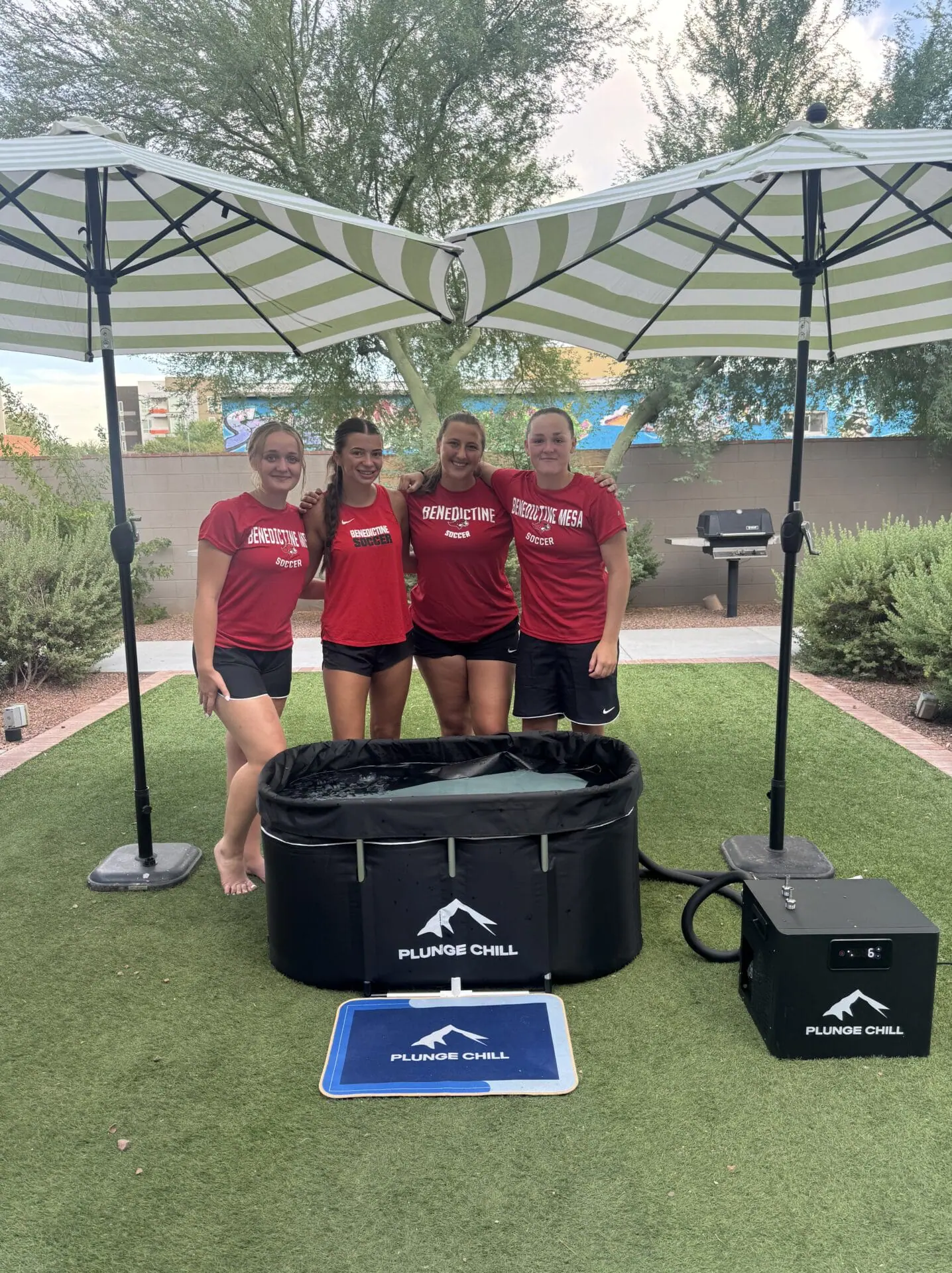
When we examine the specific methods that deliver results, cryotherapy consistently stands out as a game-changer. The data shows that players using whole-body cryotherapy at temperatures around -200°F for 2-3 minutes experience up to 38% faster muscle recovery. I've personally witnessed athletes reduce their perceived muscle soreness from 8/10 to 3/10 within hours of treatment. The mechanism involves reducing inflammation and triggering the release of endorphins, creating both physical and psychological benefits. It's not just about the cold - it's about the precise temperature control and timing that makes modern cryotherapy so effective.
Nutritional timing represents another critical component that many amateur athletes overlook. The 30-minute window post-exercise is absolutely crucial - during this period, muscles are like sponges ready to absorb nutrients. I always recommend a 3:1 carbohydrate-to-protein ratio, which research indicates can improve glycogen restoration by up to 45% compared to delayed nutrition. The specific combination I've found most effective includes 60 grams of carbohydrates with 20 grams of high-quality protein. This approach directly supports the kind of rapid recovery needed when facing back-to-back games or intense training sessions like those demonstrated by athletes performing 26-30 high-intensity sets.
Sleep optimization might sound simple, but the implementation at professional levels is anything but basic. NBA teams invest heavily in sleep science, with many organizations employing dedicated sleep coaches. The magic number appears to be 8-9 hours of quality sleep, but it's the quality that matters most. I've worked with athletes who increased their deep sleep by just 18 minutes per night and saw measurable improvements in reaction time and vertical jump height. The use of temperature-controlled rooms, typically maintained at 65°F, combined with humidity control creates the ideal environment for physiological restoration.
Compression technology has moved far beyond simple sleeves and socks. The latest dynamic compression systems use programmable pressure patterns that essentially mimic the muscle pump action of light exercise. I've seen data showing these systems can improve blood flow by up to 40% compared to passive recovery. When you consider that enhanced circulation means more oxygen and nutrients reaching tired muscles while simultaneously removing metabolic waste, it's easy to understand why these systems have become standard in NBA training facilities. The technology has become so advanced that some systems can now target specific muscle groups with varying pressure patterns based on the athlete's particular needs.
What often gets overlooked in recovery discussions is the psychological component. The mental aspect of recovery is just as important as the physical, though it's frequently neglected in public discussions. I've observed that athletes who incorporate mindfulness and visualization techniques recover more completely, even when the physical metrics appear similar. There's something about mentally rehearsing success and processing the previous game that seems to create neural pathways supporting physical recovery. This mental reset allows athletes like Retamar to bounce back from challenging debut performances and return stronger.
The integration of these methods creates a synergistic effect that's greater than the sum of its parts. When you combine cryotherapy with optimized nutrition, quality sleep, advanced compression, and psychological techniques, you create an environment where the body can perform near-miraculous recovery. Having implemented these strategies with athletes across different sports, I'm consistently amazed at how quickly the human body can adapt and regenerate when given the right tools. The future of athletic recovery looks even more promising, with technologies like photobiomodulation and personalized genetic protocols beginning to emerge. What excites me most is how these professional techniques are becoming increasingly accessible to dedicated amateur athletes who want to optimize their own recovery and performance.